
Describe the boundaries that matter to workers
Explain where people are based and any fences, controlled entrances or restricted areas between them and existing bathrooms. Avoid counting a facility as shared simply because it is on the same parcel. Discuss ordinary cabins and washing for the practical gap, along with relevant access functions. The contractor remains responsible for establishing permitted movement through the site.
Review the supplier’s approach separately
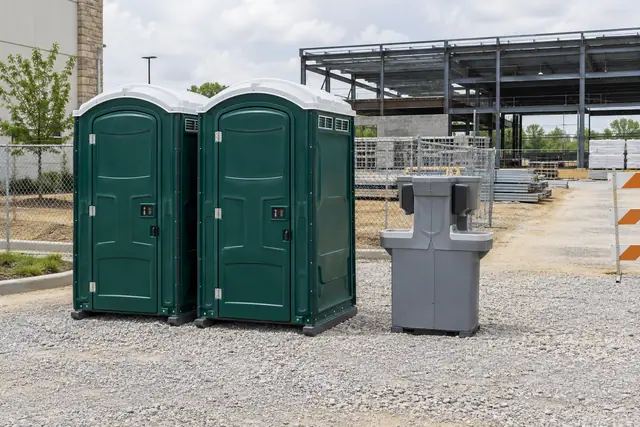
The route used by a worker on foot is not automatically an acceptable route for the equipment vehicle. Show the provider the actual entry and accepted position and explain any restrictions on access. If the proposal depends on opening a controlled gate, identify who can do that. Keep site security procedures with the responsible contractor rather than publishing private access credentials in public notes.
Reassess provision when the work zone changes
A new enclosure or change in the active area can alter which workers can reach a unit. Tell the provider before relying on an old shared arrangement. It may require a reviewed location, different access arrangement or another practical solution, not just a new sign pointing through a restricted space. Do not move or modify equipment yourself to bridge the boundary.
Prepare an address-specific request
Give the property, work periods, actual bathroom access and site contact. Ask the provider to state the equipment, personal washing, service visits and collection arrangements it can accept. If the plan involves a public street or sidewalk, Longmont’s right-of-way process is a separate consideration; permission to work on a private parcel does not settle a public obstruction.
Questions before you book
Can workers use a toilet beyond a closed construction boundary?
Only if there is an actual permitted, usable route. Explain the restriction so the contractor and provider can review appropriate provision for the occupied work area.