
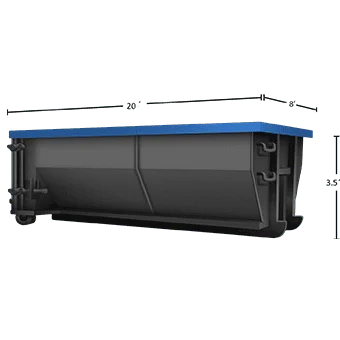
Describe the route from the work to the container
Tell the provider whether material will be carried from a room, moved from a yard or gathered from different parts of a site. Identify the actual waste and any heavy or unusual items. Ask about the proposed container’s loading arrangement and the instructions the working team should follow. Do not improvise ramps, attachments or lifting methods from a product photograph.
Keep ordinary access working during the cleanup
A convenient loading point should not block a needed building exit, pedestrian approach or the agreed collection route. Coordinate the position with the property contact and supplier. If a container is proposed in the public right-of-way, use Longmont’s actual permit process rather than assuming the adjacent property owner can authorise the space. The size of the available gap alone does not establish safe vehicle access.
Give loaders a clear accepted scope
Tell everyone helping what the provider has accepted and which items remain outside the load. Review a proposed material change before it is added. Keep loading within the supplier’s instructions instead of deciding that unused space means anything else can be included. Equipment collection and a separate recycling or special-waste arrangement should not be confused.
Make the return visit part of the initial plan
Explain whether other deliveries, stored materials or parked vehicles may occupy the approach later. Arrange who can keep it available and who requests collection. Describe the actual Longmont address, load and hire period for a complete quotation. Provider eligibility, material acceptance and any required permission must fit the real request; no universal disposal clearance is implied.
Questions before you book
Can unused space in the container be filled with another material?
Ask the provider before changing the agreed load. Remaining space does not establish acceptance of a new material or compliance with loading limits.